
When storms or hurricanes move through an area, they can transport these pests from one region to another, leading to new infestations in previously unaffected areas.
What Are Armyworms?
Armyworms are a significant concern for anyone responsible for maintaining healthy, lush turf. These pests can wreak havoc on lawns, leaving behind damage that can take weeks or even months to repair. We’ll explore how to identify armyworms, recognize the symptoms they cause on turf, and understand how strong storms and hurricanes can exacerbate their spread.
How Do You Identify Armyworms?

Appearance
Armyworms are typically green, brown, or black with distinctive white or yellow stripes running along the sides of their bodies. As they mature, they develop an inverted Y-shaped marking on their heads, making them easier to identify.
Size
Mature larvae can grow up to 1.5 inches long.
Behavior
These pests often feed in large groups, giving them the name “army worms.” They are most active during the late evening and early morning hours, making them harder to spot during the day.
Activity
Armyworms are most prominent in the late summer and early fall.
The Lifecycle of Fall Armyworms
Understanding the lifecycle of the fall armyworm is crucial for effective management and control. The fall armyworm goes through four main stages in its lifecycle: egg, larva, pupae, and adult moth.
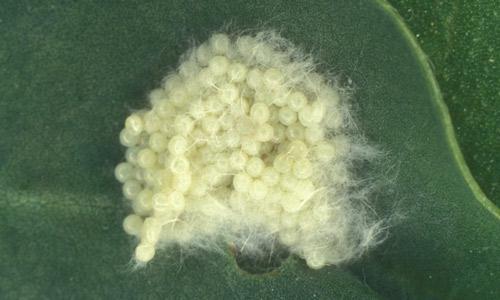
Egg Stage
Female moths lay clusters of 100-200 eggs on the undersides or leaves, on grass blades, or on other surfaces. The eggs are small, white, and spherical, often covered with a protective layer or scales from the female’s body. Eggs hatch within 2 to 3 days, depending on temperature and humidity.
Larval Stage
The larval stage lasts about 14·21 days, during which the caterpillars consume large amounts of vegetation, often stripping leaves to the stems. This is the most destructive phase of the lifecycle. Large Infestations can devastate a lawn in just a few days.
Pupal Stage
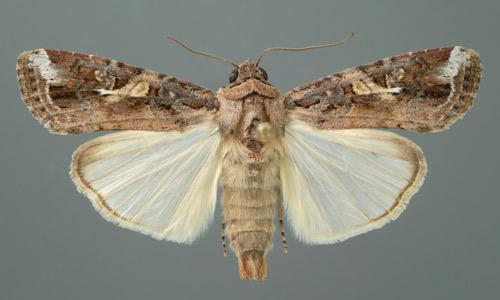
After the larval stage, the caterpillar’s burrow into the soil to pupate. They form a cocoon in the soil where they undergo transformation into adult moths, which lasts about 7 to 10 days.
Adult Moth Stage
Adult moths emerge from the pupae, and after a brief period they begin the cycle anew by mating and laying eggs. They typically live for about 2 to 3 weeks, during which a single female can lay hundreds to thousands of eggs.
The Role of Storms and Hurricanes in Armyworm Infestations
Strong storms and hurricanes can play a significant role in the spread of armyworms.
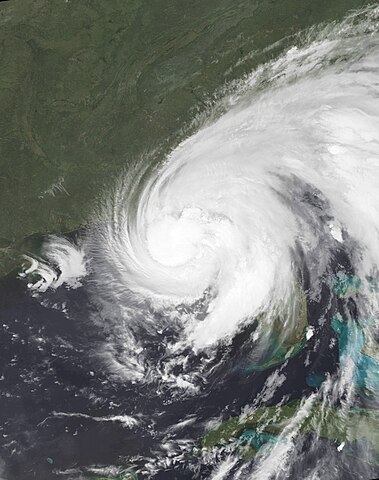
Wind-born Spread
Armyworms, especially the fall armyworm, can be carried by strong winds over tong distances. When storms or hurricanes move through an area, they can transport these pests from one region to another, leading to new infestations in previously unaffected areas.
Moisture and Habitat
Heavy rains associated with storms can create Ideal conditions for armyworms to thrive. Wet, humid environments are perfect for egg hatching and larval development, increasing the likelihood of an outbreak following a storm.
Weakened Turf
Turf that has been stressed or damaged by storms is more vulnerable to pest infestations. Flooding, debris, and other storm-related damage can weaken the grass, making it easier for armyworms to establish themselves and cause further destruction.
Turf Symptoms to Look For
Armyworms can cause severe damage to turf in a short amount of time. Below is a list of key symptoms to watch for.
Irregular Brown Patches

The most obvious sign of armyworm activity is the appearance of irregular brown patches in your lawn. These patches are often the result of the larvae feeding on the grass blades, leaving behind chewed-up brown areas.
Thinning Turf
As armyworms continue to feed, the affected grass may thin out, giving your lawn a patchy appearance. In severe infestations, the turf may look as though it has been scalped.
Rapid Damage

One of the most alarming characteristics of armyworms is how quickly they can destroy a lawn. A healthy patch or turf can be reduced to bare soil in just a few days if a large infestation occurs.
Increased Bird Activity
If you notice an unusual number of birds flocking to your lawn, it could be a sign that armyworms are present. Birds often feed on these pests, so their increased presence can be a red flag.
Visible Worms
In some cases, you may actually see the armyworms crawling on the turf. This is more likely to happen during the early morning or late evening when they are most active.
Products to Control Active Armyworm Infestations
If you detect an armyworm infestation, quick action is necessary to prevent extensive damage. Here are some effective products to consider. Reach out to Bland Landscaping or your lawn care technician for professional and effective application of any insecticide products.
Insecticides
- Bifenthrin: This broad-spectrum insecticide is commonly used to control armyworms. It works by disrupting the nervous system of the pests, leading to their death.
- Spinosad: Derived from naturally occurring bacteria, spinosad is an organic option that is effective against armyworms. It’s often used in environments where minimizing chemical exposure is important.
- Bacillus thuringiensis (Bt): This is a biological insecticide that targets caterpillar pests like armyworms. It’s safe for use around pets and humans, and is an excellent option for those seeking an environmentally friendly solution.
Reach out to the team at Bland Landscaping to end infestations and keep your turf looking its best.