
A Market Increasingly Defined by Quality
The Southeast office market is showing signs of improvement, but competition remains selective. Cushman & Wakefield reported national office vacancy of 19.8% in the third quarter of 2026, even as vacancy declined year over year. Class A buildings accounted for approximately two-thirds of leasing volume that quarter. In Charlotte, four-quarter net absorption reached approximately 1.2 million square feet. These figures describe a market in which quality and positioning matter, not one in which every property benefits equally from recovery.
The implication for existing office properties is practical: property management teams must assess the entire arrival experience, outdoor amenity spaces, and workplace environment alongside geographic location, floor plans, rental rates, and building systems. Landscape conditions and outdoor amenities are among the most visible and manageable components of that assessment.
From Grounds to Usable Amenities
The value of exterior space extends beyond appearance. CBRE’s 2025 Americas Office Occupier Sentiment Survey found that 44% of respondents identified outdoor amenities or terraces as features that could affect rent negotiations. CBRE also advised investors to focus on controllable amenities, including outdoor spaces that influence leasing decisions and the tenant experience.
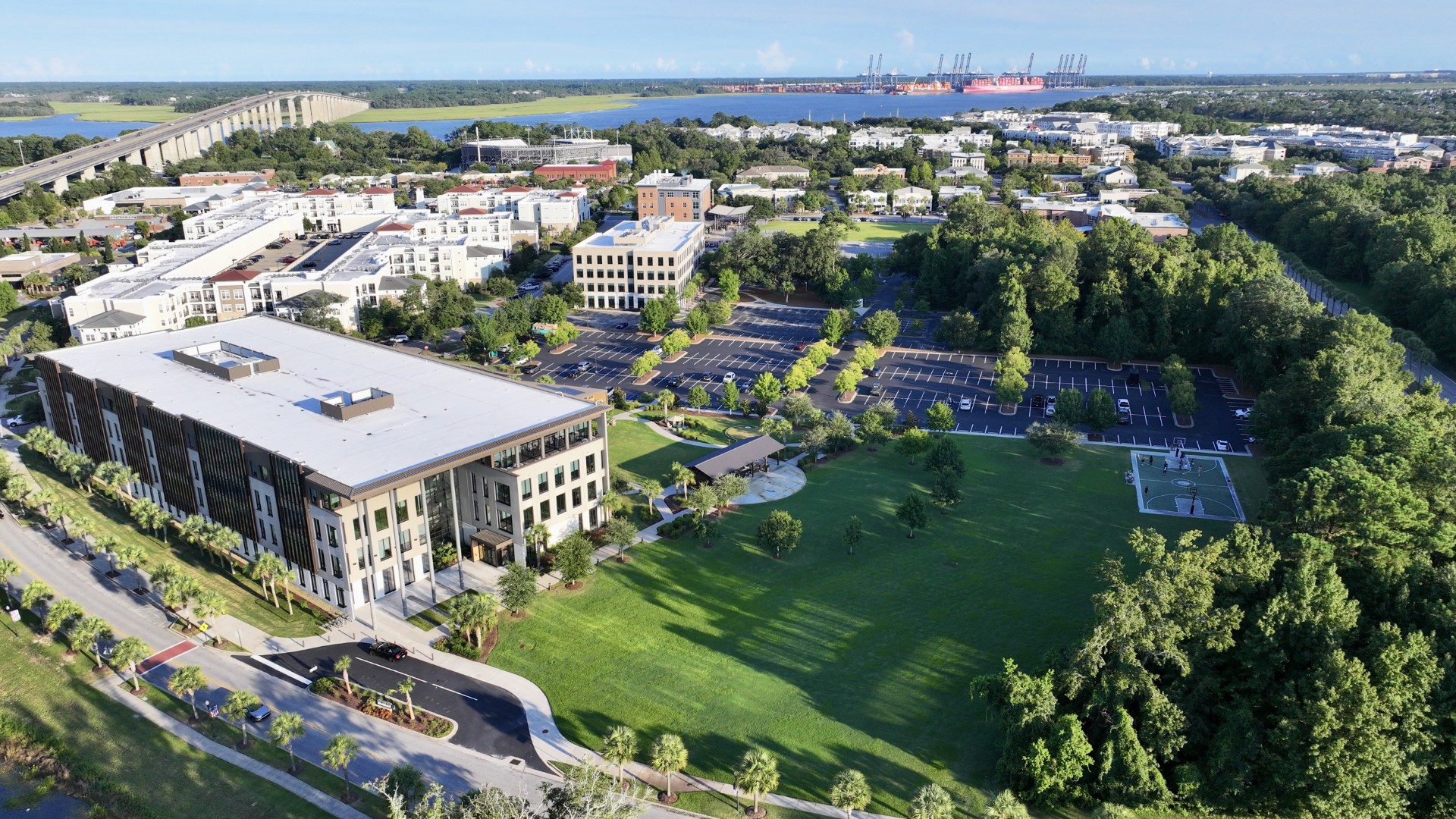
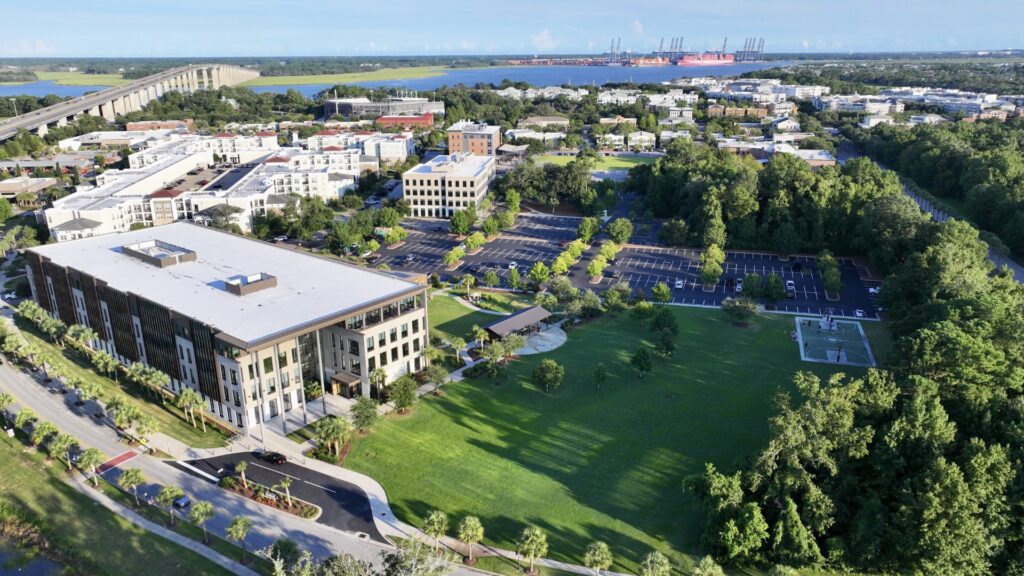
For commercial properties, this presents an opportunity to consider how landscape design and improvements can contribute to a more functional and inviting environment. At Summit Office, our team incorporated hardscape installations, flower beds, and trees to create a cohesive exterior landscape. Projects like these demonstrate how thoughtful enhancements can strengthen a property’s character while supporting its long-term appeal.
The opportunity for property managers extends beyond individual improvements. Evaluating underutilized outdoor areas, refreshing established landscapes, and planning for ongoing maintenance can help ensure these spaces remain attractive, functional, and relevant to the people who use them.
A Regional View: Maintaining The Experience
Across the Carolinas and Florida, our teams work with commercial property managers to maintain and enhance landscapes that contribute to the identity and everyday experience of their properties. From Green Valley Office Park in Greensboro to Toringdon Office Park and Water Ridge Office Park in Charlotte, and Flagler Center in Jacksonville, our work reflects the diverse needs of commercial environments and the importance of maintaining a consistent standard across every season.
That responsibility extends well beyond routine landscape maintenance. Strategic plantings, seasonal color, landscape renovations, and ongoing enhancements help commercial properties remain inviting, functional, and visually cohesive. Whether refreshing an established entrance, improving the presentation of common areas, or maintaining the character of a larger office campus, these investments contribute to how a property is perceived and experienced by tenants, employees, and visitors.
For property managers, the greatest value comes from treating the landscape not as a static feature, but as an evolving asset that requires thoughtful planning and consistent care.
A Sharper Framework for 2027 Capital and Operating Plans
The strongest exterior improvements begin with a property-specific assessment rather than a predetermined planting package. For office owners and managers, five questions can help establish priorities:
- Arrival and identity: Do vehicular entrances, signage, walkways, and building approaches present a consistent standard?
- Function and comfort: Are existing courtyards and gathering spaces accessible, shaded, and usable throughout the working day?
- Horticultural performance: Are trees, shrubs, and planting beds appropriate for site conditions and resilient across seasons?
- Operating discipline: Do irrigation, drainage, sightlines, and maintenance access support reliable long-term performance
- Investment sequencing: Which improvements can be delivered through routine maintenance, and which warrant a separate enhancement budget?
A useful next step is to rank potential improvements by tenant visibility, practical benefit, lifecycle cost, and maintenance requirements. This distinguishes enhancements that support the daily experience from changes made solely for short-term visual impact.
The Exterior is Part of The Asset Strategy
Landscaping cannot overcome an unsuitable location, outdated building systems, or uncompetitive lease terms. It can, however, reinforce a property’s positioning, improve the quality of its everyday setting, and help management companies demonstrate attentive stewardship of their assets.
As 2027 plans take shape, the opportunity is to treat the landscape as an integrated part of property operations and the tenant experience, not as an isolated line item. At Bland Landscaping, we work with commercial property teams to assess ongoing landscape performance and identify practical enhancements suited to each property.