Floriculture Across NC
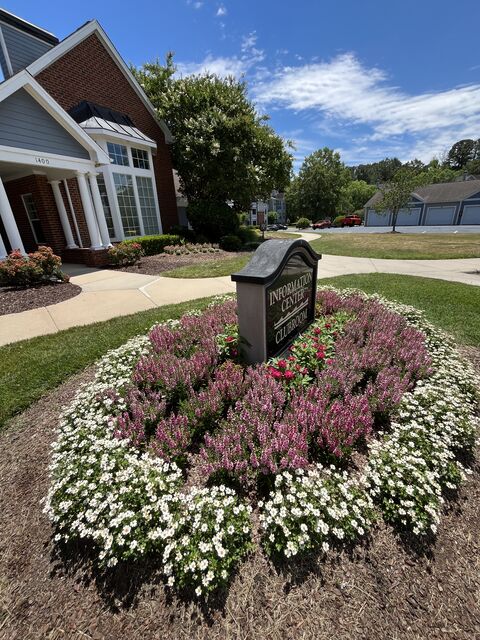
Check out our latest work in Chapel Hill, Charlotte, and other areas of North Carolina.

Check out our latest work in Chapel Hill, Charlotte, and other areas of North Carolina.
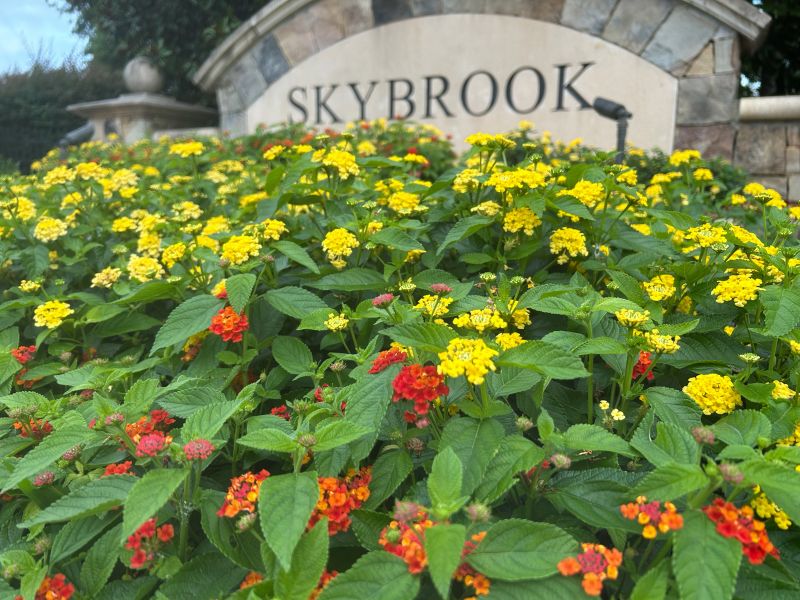
Showing off some of our latest vibrant, colorful floriculture work.
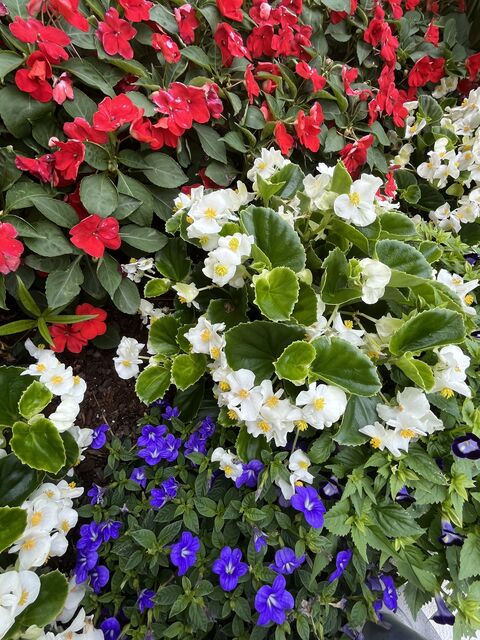
Check out these red, white, and blue blooms across the Triangle of North Carolina.

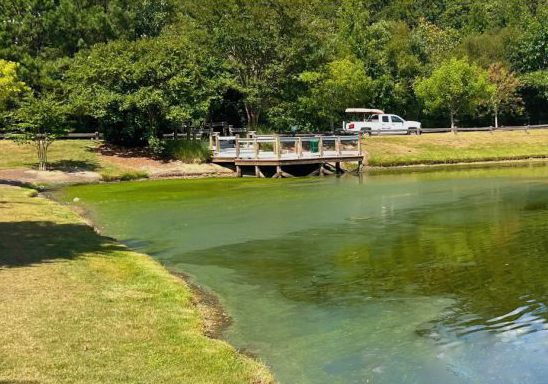
Summer algae and cyanobacteria are officially here. With the help of our aquatics division, you can restore it to clear, compliant conditions.

At Bland Landscaping, Pollinator Week is a reminder that great landscapes can do more than look beautiful—they can create healthier, more sustainable communities.

We’re blown away by the hard work of our Durham team! Maintaining beautiful flower pots and beds with extreme drought circumstances isn’t easy. Our team

Check out some of our latest floriculture work for our office, HOA, and multifamily client properties in Apex, Cary, and Chapel Hill.

Check out some of our favorite flowers and latest floriculture installations around Charlotte for our HOA and Office customers.
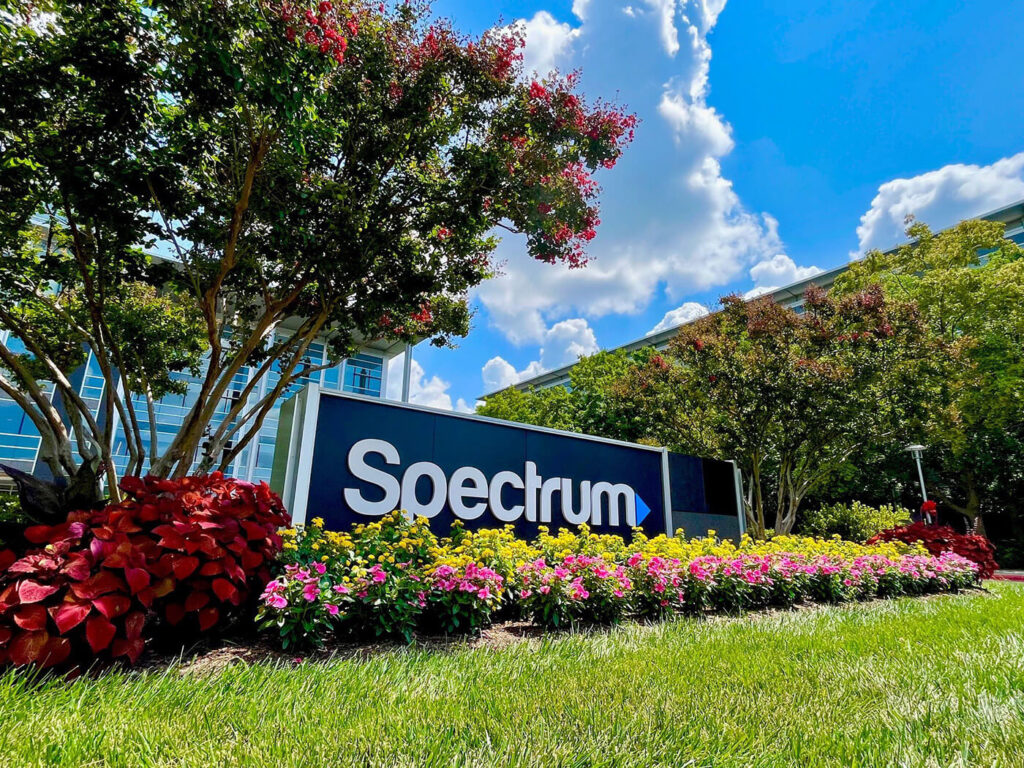
We keep this beautiful campus looking beautiful and healthy—as well as safe and well-maintained. Learn how.

Check out some of our latest floriculture work around North Carolina.

Our crew is hard at work on a large-scale subdivision installation project in Brunswick Forest, located in Leland, NC.

Looks can be deceiving: Just because the rip-rap is still in place doesn’t mean the system is functioning properly! Check out our latest work on inlet repair.